
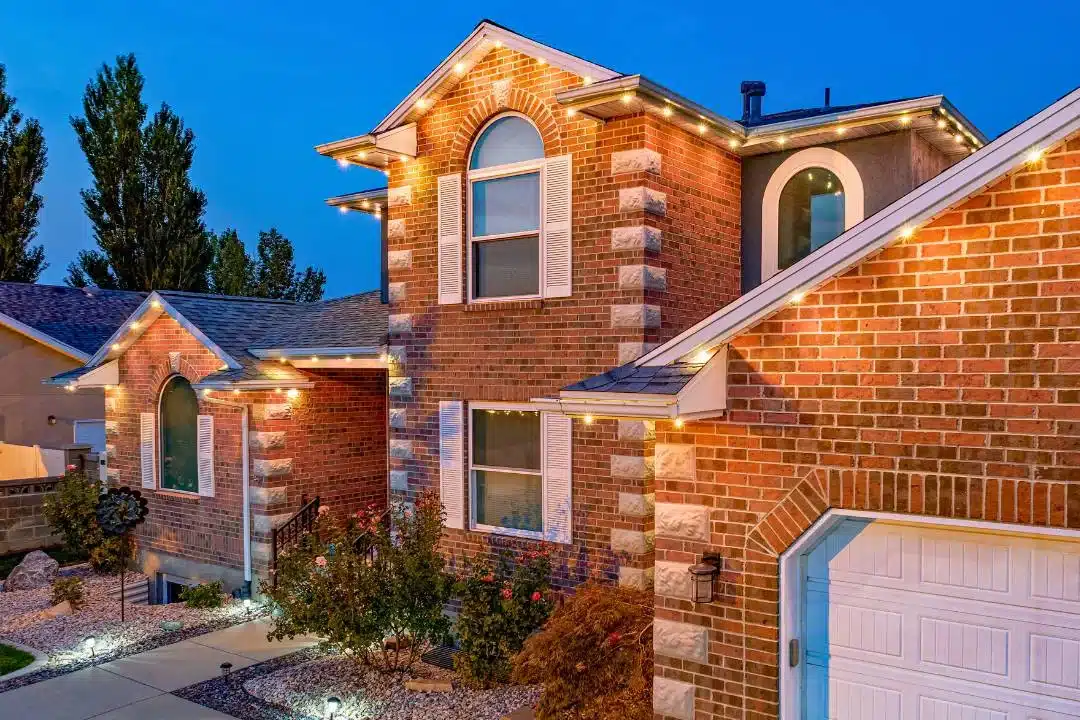
When it comes to exterior illumination, many homeowners assume brighter is better. But the truth is, choosing the right type of lighting depends on your goals. Are you trying to highlight architectural details and create ambiance? Or do you need broad visibility for safety and security?
Understanding the difference between accent lighting and flood lighting helps you make a smart decision for your home or business. As part of professional outdoor lighting services, both options serve important but very different purposes. In many cases, the best results come from using them together strategically.
Let’s break down what each lighting type does and how to determine what’s right for your property.
What Is Accent Lighting?
Accent lighting uses focused, narrow-beam fixtures to highlight specific features. Rather than illuminating an entire yard or driveway, it draws attention to details-creating depth, contrast, and visual interest.
Common Uses for Accent Lighting:
- Highlighting architectural elements like columns, arches, trim, and stonework
- Uplighting trees, shrubs, and landscaping
- Emphasizing entryways or signage
- Creating dramatic shadows for added dimension
- Adding ambiance for patios and outdoor entertaining areas
Accent lighting typically produces a softer, more intentional glow. Instead of washing your home in light, it creates focal points that guide the eye. When done correctly, it enhances curb appeal without overwhelming the space.
With modern LED technology, accent lighting can also be customized. Homeowners can adjust brightness, color temperature, and patterns through app-based controls, allowing for seasonal updates or event-specific lighting without changing fixtures.
What Is Flood Lighting?
Flood lighting is designed for wide-area illumination. These fixtures use broader beam spreads to cover larger spaces with consistent brightness.
Common Uses for Flood Lighting:
- Illuminating driveways and garages
- Lighting up large backyards
- Increasing visibility near entry points
- Enhancing security around dark corners
- Improving safety along walkways and stairs
Flood lights are often higher in lumens than accent lights because they are intended to provide general visibility rather than create artistic highlights. They are practical and functional, especially in areas where safety and security are priorities.
However, flood lighting can sometimes overpower a home’s natural beauty if used excessively. Too much broad illumination can flatten architectural details and create glare.
Key Differences at a Glance
| Feature | Accent Lighting | Flood Lighting |
|---|---|---|
| Beam Spread | Narrow, focused | Wide, diffused |
| Purpose | Aesthetic highlighting | Security and visibility |
| Effect | Dramatic, layered | Uniform, functional |
| Best For | Architecture & landscaping | Driveways & large areas |
Understanding these differences ensures you choose the right lighting solution for your specific needs.
Which One Is Right for Your Home?
The answer depends on what you’re trying to achieve.
Choose Accent Lighting If You Want:
- To improve curb appeal
- To highlight landscaping or architectural features
- To create a warm, inviting nighttime ambiance
- To elevate your home’s overall appearance
Accent lighting is especially popular for homeowners who want subtle elegance and year-round visual appeal.
Choose Flood Lighting If You Want:
- Improved nighttime visibility
- Added security near entrances
- Safer walkways and driveways
- Functional lighting for outdoor activities
Flood lighting is ideal for areas where practicality and safety come first.
The Best Solution? A Balanced Approach
Most professional outdoor lighting services recommend combining both.
For example:
- Use flood lighting near garages and entryways for safety.
- Add accent lighting along rooflines, trees, and architectural details for visual depth.
- Layer lighting types to avoid harsh glare while maintaining visibility.
This layered approach creates a polished look while still prioritizing functionality. It also prevents over-lighting, which can waste energy and diminish your home’s natural character.
Why Professional Installation Matters
Lighting placement, beam angles, spacing, and brightness levels all impact performance. A poorly placed flood light can create glare, while improperly aimed accent lighting may miss the intended feature.
Professional installation ensures:
- Proper positioning and alignment
- Safe wiring and low-voltage setup
- Even distribution of light
- Long-term durability
At Trimlight, our factory-trained technicians design lighting systems tailored to your home’s architecture and landscape. Our LED systems offer customizable brightness, color temperature control, and smart app integration for effortless adjustments year-round.
Upgrade Your Outdoor Lighting with Trimlight
Whether you’re looking to enhance curb appeal with elegant accent lighting or improve safety with strategic flood lighting, Trimlight provides professional outdoor lighting services designed for long-term performance.
Our systems are discreet by day and stunning by night. With smart controls, energy-efficient LED technology, and expert installation, we help you achieve the perfect balance of beauty and functionality.
Ready to find the right lighting solution for your home?
Contact Trimlight today for a free quote and discover how professionally designed lighting can transform your exterior.
Frequently Asked Questions
1. Is accent lighting bright enough for security purposes?
Accent lighting improves visibility but is not designed to replace security flood lighting. For optimal safety, many homeowners combine both.
2. Can flood lighting hurt curb appeal?
If overused, flood lighting can wash out architectural details. Proper placement and balanced brightness prevent this issue.
3. Are LED lights better for both accent and flood lighting?
Yes. LED fixtures are energy-efficient, long-lasting, and available in various brightness levels and color temperatures for both applications.
4. How do I know how many lights my home needs?
A professional lighting assessment evaluates your property size, architecture, and goals to determine proper placement and fixture count.
5. Can I control the lighting remotely?
Yes. Trimlight systems offer app-based controls that allow you to adjust brightness, colors, and schedules from your smartphone.
6. Do outdoor lighting systems require maintenance?
High-quality LED systems require minimal maintenance, especially when installed professionally.